48 Hours in the Zagros
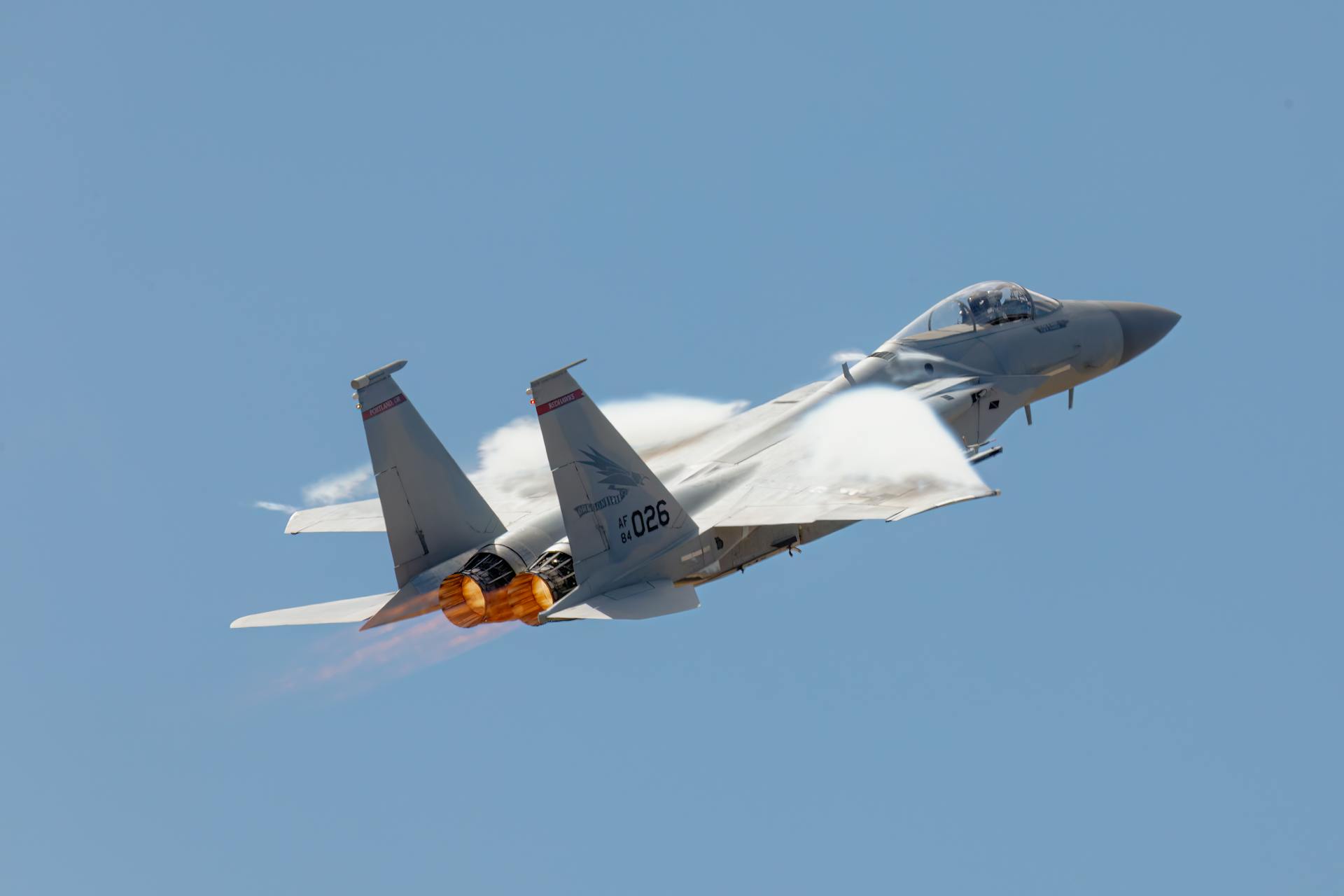
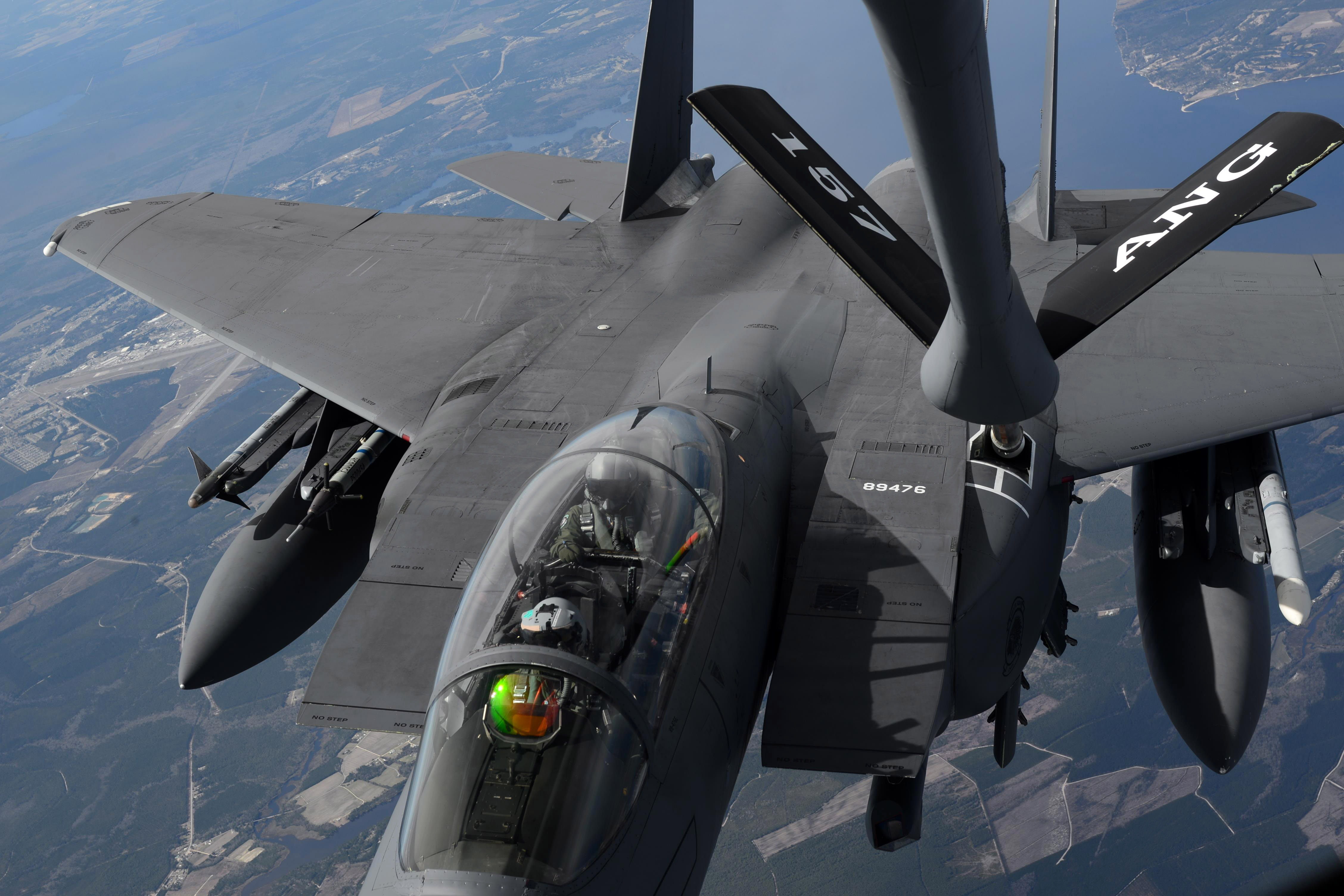
An Iranian Third Khordad missile system locks onto an F-15E Strike Eagle flying deep over southern Iran. The aircraft is hit. Both crew members eject into the vast, unforgiving Zagros Mountains — the first American aircraft lost to enemy fire in over two decades.
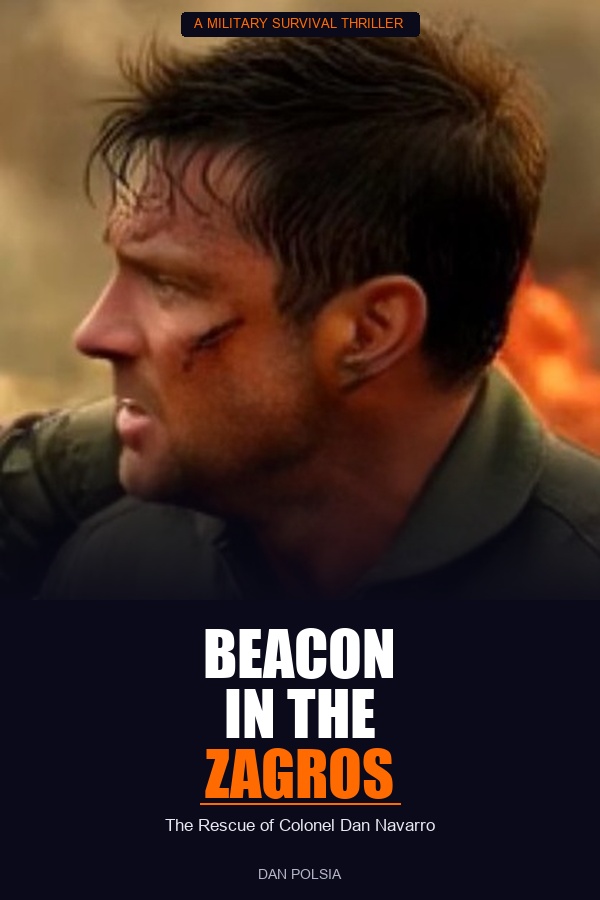
Both crew members make radio contact. The pilot drifts toward lower ground. The WSO — a Colonel — lands hard on a steep slope at 4,000 feet. Wounded but mobile. His inventory: a pistol, a comm device, a tracking beacon. He stashes his chute and starts climbing.
US special forces extract the pilot in broad daylight — an unusual and dangerous move. Their Black Hawk takes small arms fire. The helicopter lands safely, crew wounded but alive. The Colonel is still climbing, alone.
The IRGC cordons the province. Basij militia join the search. Iran offers a bounty. The Colonel moves through oak forests and rocky ridgelines in darkness, climbing toward a 7,000-foot ridgeline. Behind him, the wreckage of his aircraft still burns in the valley.
The CIA launches a deception campaign — spreading false word inside Iran that both crew members have been recovered and are being exfiltrated overland. IRGC forces scramble to the wrong locations. Meanwhile, invisible capabilities search for one man hidden in a mountain crevice.
CIA assets locate the Colonel — 7,000 feet above sea level, tucked into the Zagros ridgeline. Hundreds of military and intelligence personnel from every branch converge. Dozens of aircraft loaded with the most lethal weapons in the American arsenal move into position.
American commandos hit the ground under air cover. Bombs clear the perimeter. A fierce firefight erupts at the extraction point — IRGC forces engage the rescue team. Through the smoke and noise, they reach the Colonel. Wounded, exhausted, alive.
The President's message goes out to the world. The Colonel is airborne, heading to safety. Seriously wounded. Really brave. One of the most daring search and rescue operations in US military history.